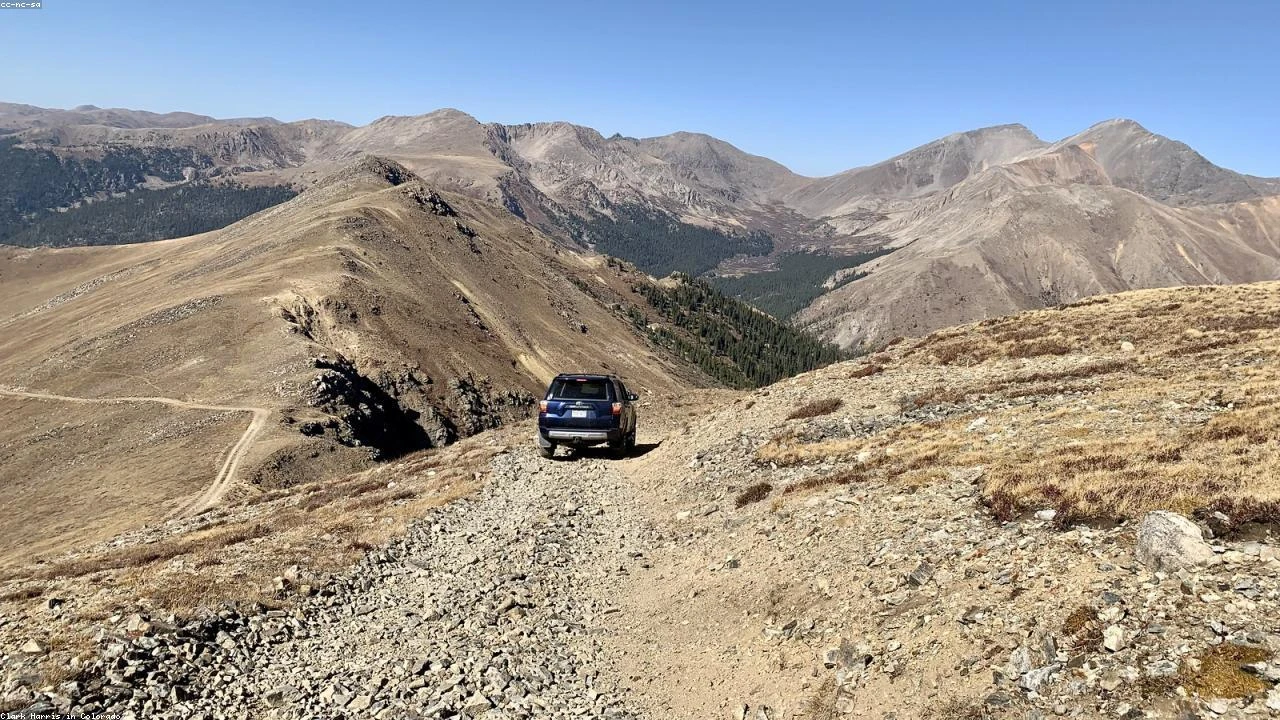
Navigating the Wilderness with a Compass: A Timeless Skill
Sarah Wilds (Survival Instructor)
February 22, 2026
Table of Contents
Your Life Depends on It
You’re lost in the woods, and your phone’s GPS is dead. The sun is setting, and you’re starting to panic. This is where a compass comes in – a simple, reliable tool that can help you find your way back to civilization.
The Protocol
Mastering compass navigation requires practice, but it’s a skill that can be learned by anyone. Here’s a step-by-step guide to get you started:
- Choose the right compass: Look for a baseplate compass with a rotating bezel and a magnetic needle. Avoid compact or keychain compasses, as they can be difficult to read and use.
- Set your bearing: Hold the compass level and turn the bezel until the magnetic needle aligns with the magnetic north indicator. Take note of the bearing (the direction-of-travel arrow).
- Follow your bearing: Hold the compass in front of you and turn your body until the magnetic needle is inside the orienting arrow. This will ensure you’re heading in the right direction.
- Take a reading: Periodically take a reading to ensure you’re on track. Make adjustments as needed to stay on course.
Gear Loadout
A good compass is just the beginning. Here are some other essential items to include in your navigation kit:
- Topographic map: A detailed map of the area you’ll be hiking in.
- Protractor: A tool used to measure angles and plot bearings on your map.
- Whistle: A signaling device that can help you get rescued in case of an emergency.
- Extra batteries: If your compass has a light or other features that require batteries, be sure to pack extras.
🏕️ Read More Adventures:
Field Execution
In the field, it’s essential to use your compass in conjunction with other navigation techniques, such as:
- Dead reckoning: Estimating your position based on the distance you’ve traveled and your speed.
- Pilotage: Using visible landmarks to navigate.
- Natural navigation: Using the sun, moon, and stars to estimate direction.
Ranger Secrets
Here are some expert tips to help you get the most out of your compass:
- Use a compass with a declination adjustment: This will help you account for the difference between magnetic and true north.
- Take multiple readings: To ensure accuracy, take multiple readings and use the average bearing.
- Practice, practice, practice: The more you practice using your compass, the more comfortable you’ll become with the process.
- Don’t rely on technology: While GPS devices and apps can be helpful, don’t rely solely on them. A compass is a low-tech, reliable tool that can help you navigate even when your devices fail.
Be aware of your surroundings and always carry a compass with you when venturing into the wilderness. It’s a simple tool that can make all the difference in an emergency situation.
Disclaimer: Outdoor activities carry inherent risks. Always prepare adequately. Content generated for educational purposes.